
Integrating Social and Behavioral Change (SBC) into People-Centered Climate Policies
UNICEF Guidance for Integrating Social and Behavioral Change in Nationally Determined Contributions (NDCs)
Introduction
What are Nationally Determined Contributions (NDCs)?
Nationally Determined Contributions (NDCs) are pivotal documents under the 2015 Paris Agreement, detailing each country's commitments to reduce greenhouse gas (GHG) emissions and adapt to climate change impacts. The Paris Agreement requires nations to submit updated NDCs every five years, ensuring these commitments evolve, reflect the highest possible ambition, and demonstrate measurable progress.
Governments are encouraged to submit increasingly ambitious NDCs, to accelerate climate action and unlock large-scale financing for mitigation and adaptation efforts. With NDCs 3.0 due in 2025, this third generation of national climate strategies offers a critical opportunity to incorporate the voices, rights, and specific needs of children and young people into national climate policies. Less than half of all NDCs are child and youth sensitive; and two out of every five NDCs do not address children and young people’s unique climate vulnerabilities across core social sectors essential for children.
UNICEF emphasizes this as a critical moment, encouraging Parties to submit actionable NDCs that not only advance climate goals and chart a clear path to limit global temperature rise to 1.5°C, but also address the unique vulnerabilities of children and young people who are disproportionately affected by climate change. Additionally, UNICEF collaborates with key partners to ensure the integration of climate-sensitive sectors into national climate plans, aiming for a holistic approach that addresses the needs of the most vulnerable, including children and youth.
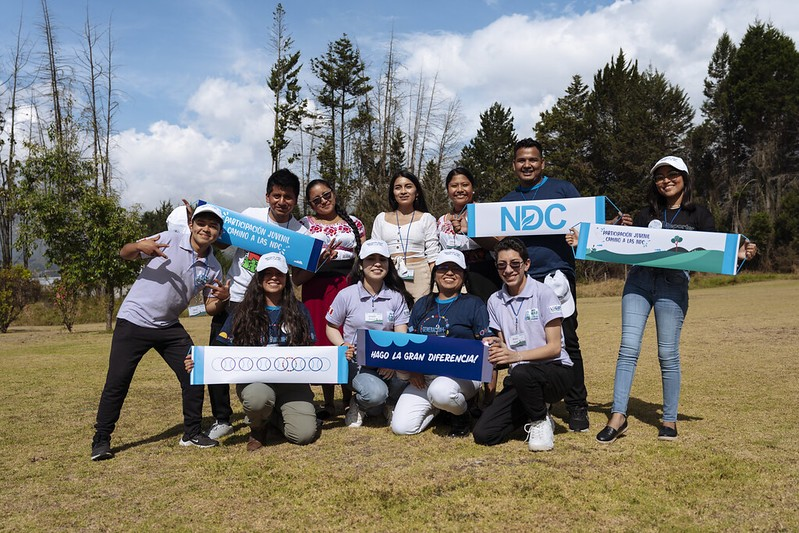
To support this process, UNICEF has developed:
- Internal Guidance: How to create more child-sensitive climate and environmental policies: UNICEF guidance for analyzing and improving the child sensitivity of Nationally Determined Contributions (NDCs) and other climate policies Internal document - SharePoint
- External Toolkit: Child- and youth-sensitive Nationally Determined Contributions: Guidance for developing Nationally Determined Contributions for and with children and young people External document
- NDCs for every child Data Platform: Data Platform
- Young person’s guide: A Young Person’s Booklet to Nationally Determined Contributions: Practical Tips for Climate Policy Advocacy and Action Young person’s document.
The Role of Social and Behavioral Change in People-Centered NDCs
Integrating a Social and Behavioral Change (SBC) lens into NDCs is vital for crafting climate policies that are not only environmentally sustainable but also socially equitable and broadly supported. People-centered NDCs emphasize equity, civil society and community engagement, and practical relevance, ensuring that the voices of vulnerable and marginalized populations are heard in shaping decisions that affect their lives.
SBC approaches play a transformative role in:
- Fostering Public Support and Ownership: Building awareness, engagement, and collective action for ambitious climate initiatives through participatory approaches and community mobilization.
- Encouraging Pro-Environmental Behaviors / Community-Led Adaptation: Promoting sustainable practices at the individual and community levels with a focus on deepening understanding of climate risks and fostering shifts in social norms and behaviors.
- Enhancing Policy Effectiveness: Ensuring policies are culturally and contextually aligned for greater effectiveness.
By factoring in behavioral drivers, cultural contexts, and socio-economic barriers, SBC strategies can make environmental policies more actionable and sustainable. Public buy-in is essential for achieving the systemic changes required to combat the planetary crisis. Empowering communities to become active participants in climate action fosters resilience and ensures sustainable outcomes.
Key technical considerations for applying an SBC lens: - Equity and Inclusion: Ensure climate interventions prioritize fragile and marginalized populations, including ethnic, racial, LGBTQ+, indigenous communities and climate refugees and migrants, as well as people living in slums and informal settlements – with a particular focus on women and girls in an intersectional approach.
- Behavioral Insights: Use evidence-based approaches to design policies that consider people’s daily realities and ways of making choices, to effectively encourage pro-environmental behaviors.
- Localized implementation: Tailor interventions to leverage communities' strengths and assets through community-led collective actions, addressing community-specific behaviors and barriers to improve ownership and adherence.
- Community Resilience: Empower local communities as active agents in climate mitigation and adaptation efforts (e.g., through initiatives like the development of sustainable neighborhoods that enhance resilience and promote sustainability at the local level), by integrating scientific knowledge with local experience to enhance community capacities and drive effective, context-specific solutions
- Community Empowerment: Enhance communities' ability to negotiate social contracts for projects conducted in their natural environments, ensuring transparency, accountability, and collaboration with private and public entities while also ensuring that the projects deliver benefits for both communities and the environment.
- Systemic Change: Address structural barriers through policy reforms and market regulations to support and sustain social change and behavior change over time.
- Youth and Child Empowerment: Encourage youth and children to develop innovative, locally driven solutions that address community challenges, promote sustainable development, and enhance resilience. This approach fosters leadership and active participation in creating positive change.
By embedding an SBC perspective into NDCs, governments can create inclusive, impactful, and transformative climate policies that address the needs of diverse populations while ensuring a sustainable future for all.
What is the purpose of this document?
This document aims to provide guidance for integrating people-centered insights, objectives, and strategies into the revision of NDCs in preparation for the submission of NDCs 3.0 in 2025. It includes key resources to support stakeholders in developing NDCs grounded in behavioral science and social equity principles.
Who is this document for?
This guidance is designed to support all those involved in the NDC development process who aim to make these contributions more people centered. It is targeted at UNICEF colleagues in country offices (e.g., Social and Behavior Change staff, Climate, Environment, Energy, and Disaster Risk Reduction (CEED) experts, and sectoral staff like Water, Sanitation, and Hygiene - WASH) Social Policy team, among others. It is also intended for any external partners pursuing similar objectives.
Incorporating SBC into NDCs
1. Is your Party’s NDC people-centered?
- Analyze Current NDCs: Access the latest submissions via the UNFCCC NDC Registry and the NDC Partnership platform.
- Evaluate Key Inclusivity Features: Identify participatory approaches, community-driven methodologies, marginalized group engagement, social accountability mechanisms, and integration of local and indigenous knowledge.
- Behavioral Science (BeSci) Alignment: Ensure proposed actions are grounded in behavioral science insights for effective climate policies: see behavioral science research findings on mitigation (internal and external links) and adaptation (internal and external links).
- Identify Social Norms: Assess how existing norms influence public behaviors and acceptance of climate policies.
2. Is your Party’s NDC due for enhancement?
- Assess Timelines: Determine if updates are required based on the five-year revision cycle.
- Check Revision Plans: Confirm the intent to revise and submit NDCs through official trackers and national updates.
3. Is there space for SBC contributions?
- Identify Entry Points: Build a task force within UNICEF by engaging with national focal points for NDCs, UN Agencies, and UNICEF CEED, SBC, and sectoral colleagues to assess opportunities for collaboration. Identify champions for people-centered approaches.
- Foster Strategic Dialogues: Collaborate with the NDC Partnership and key stakeholders to integrate SBC elements into ongoing revisions. Explore the NDCs tabs of UNICEF’s SCAP Policy Engagement tracker(only accessible to UNICEF’s staff) to get an overview of the Country Office (CO) work on NDCs. In coordination with the CO’s NDC focal point, identify and consult with the NDC Partnership focal point on the status of the NDC process, planned timelines for submission, and potential for/openness to SBC contributions.
4. Where can SBC contribute?
- Identify Gaps: Pinpoint areas in existing NDCs that lack a people-centered approach or identify high-impact sectors that would benefit most from enhanced social and behavioral interventions.
- Evaluate Community Participation Mechanisms: Assess the existence and quality of mechanisms for community participation in local projects and initiatives related to climate actions, including those that could potentially have negative impacts on the community.
- Propose Targeted Interventions: Advocate for inclusion of participatory and accountability mechanisms, community-led actions, and people-focused interventions that leverage behavioral science insights.
- Promote Systems Analysis: Map systemic barriers and incentives for social and behavior change within the NDC framework including stakeholder mapping from different communities.
How to Design an SBC-informed NDC?
- Identify Priority Areas:
- Map existing climate vulnerabilities and their behavioral dimensions across sectors, including breaking down vulnerabilities and practices by gender, age, and income segments of populations, to ensure a comprehensive understanding of how different groups are affected by climate change and their specific needs. When feasible, further segmentation—such as by disability status, ethnicity, or geographic location—can provide even deeper insights for targeted interventions.
- Identify where SBC could have the highest impact on NDC targets
- Assess which communities are most affected by climate impacts and their readiness for change - you can refer to the SBC for CLACs (internal link) for a breakdown of different communities
- Gather Existing Data and Evidence:
- Review behavioral insights from previous climate programs and interventions
- Analyze social research on community attitudes toward climate action
- Collect disaggregated data on vulnerable groups' specific challenges and needs
- Document existing community-led climate initiatives and their success factors
- Map traditional/ancestral knowledge and practices that support climate resilience
- Identify gaps in behavioral evidence that need additional research
- Check Existing Guidance:
- Consult UNICEF’s SBC guidance on climate (internal link) and best practices for engaging with communities (see here), particularly marginalized groups
- Review external resources (if available) on SBC contributions to NDCs and broader climate initiatives
- Examine how other countries have integrated SBC into their NDCs
- Seek Advice and Support:
- Engage with regional SBC focal points and UNICEF HQ’s SBC focal points for guidance and support
- Consult CSOs, community leaders and local organizations working on climate action
- Build partnerships with academic institutions studying climate-related behavior change
- Promote Inclusion:
- Map out the national processes to identify opportunities to further engage Civil Society and partners
- Organize workshops and training sessions to build the capacity of partners and communities to engage with the NDC revision process
- Establish feedback loops so communities can see how their input shapes NDC development
- Engage with youth-specific platforms to recognize and include their voices
- Writing Process:
- Establish a participatory writing team that includes civil society and community representatives
- Develop clear criteria for integrating behavioral insights into each NDC component
- Create feedback mechanisms to ensure continuous community input
- Include specific, measurable SBC related targets in NDC commitments
- Ensure the language and format are accessible to all stakeholders
Integrating Social and Behavioral Change Strategies Across NDC Sectors
The following is a sectoral analysis of the Nationally Determined Contributions, broken down by the main sectors typically addressed in these documents: agriculture, education, energy, environment, financing, health, industry, transportation, water resources and sanitation, urban planning and cities, and waste management.
We bring here a Social and Behavioral Change perspective aiming to identify and propose specific measures for each sector that not only contribute to climate change mitigation and adaptation but also promote sustainable changes at both individual and collective levels.
The SBC approach seeks to encourage active community participation, promote pro-environmental behaviors, and ensure that climate policies and strategies are inclusive, effective, and aligned with the social and cultural realities of vulnerable populations.
- Agriculture
Climate change is severely impacting agriculture and food systems, especially in the most vulnerable regions, where droughts, floods, and extreme weather events disrupt crop yields, food security, and farmers' livelihoods. As the climate shifts, agricultural practices must transform to become more resilient, sustainable, and low carbon (FAO,2021). This is essential so that agriculture and food systems produce food that is nutritious, safe, affordable and sustainable for children to help protect their growth and development
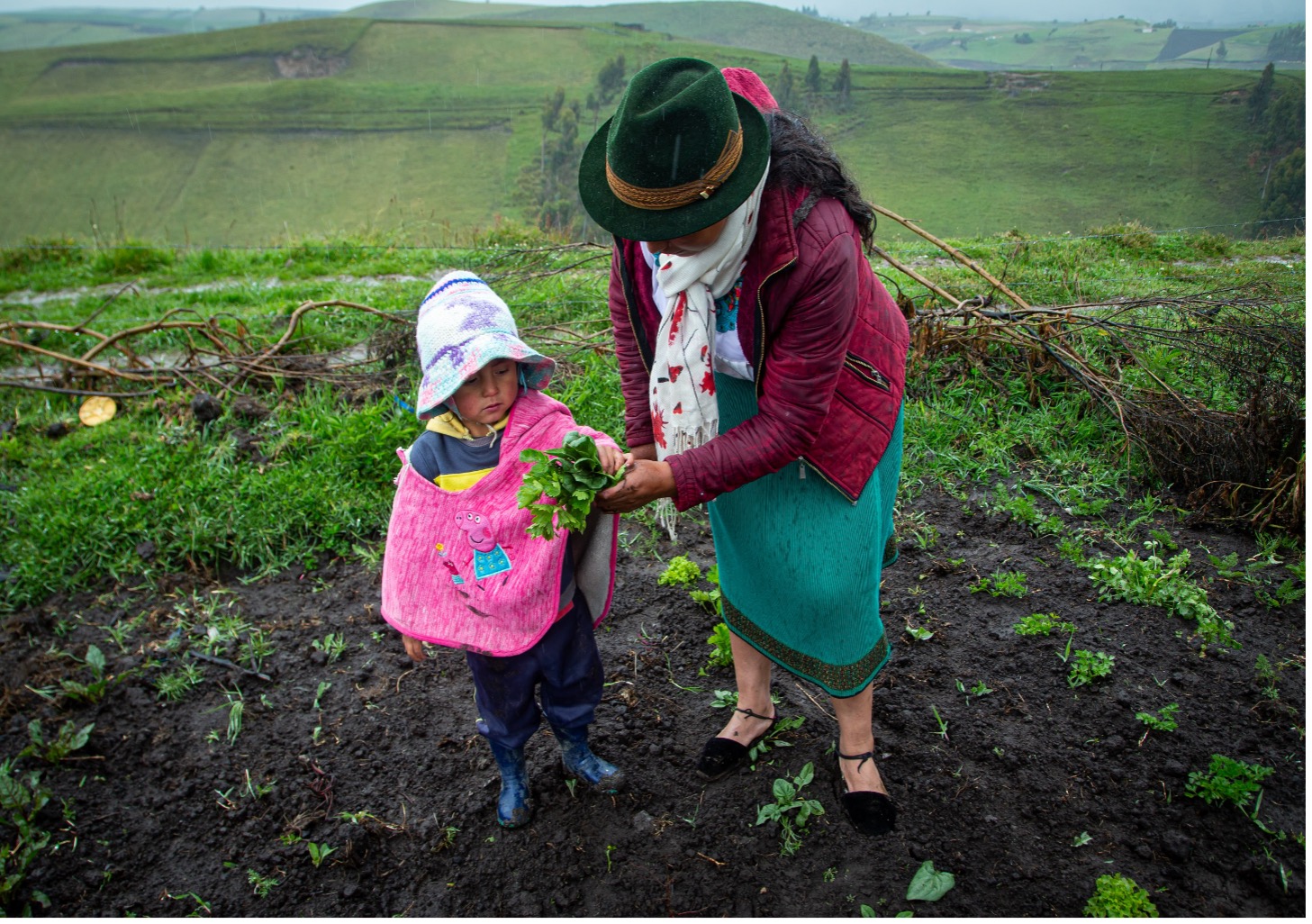
© UNICEF/ECU/2021/Vega Social and Behavioral Change strategies are essential for the transition to climate-adapted, sustainable agricultural practices to protect child nutrition and the planet. Mobilizing farmers and rural communities to design new practices or re-discover the value of previous ones, adopt new technologies, cultivation methods, and management approaches is crucial for building the climate resilience of agri-food systems. These strategies not only strengthen food and nutrition security but also ensure the sustainability of food systems amid increased climate uncertainty. Additionally, they help in building food and nutrition security, reducing GHG emissions, improving water efficiency, and protecting biodiversity. To effectively adapt to and mitigate climate change, individuals and communities must alter their current behaviors and embrace new practices related to energy sources, settlement patterns, agricultural techniques, and the management of natural resources (The Compass for SBC, 2022).
In the agricultural sector, SBC also involves working with local communities to create the conditions for the successful adoption of climate-resilient practices, such as agroecology and regenerative agriculture. These practices contribute to both climate change mitigation and adaptation while enhancing food security, environmental health, and the well-being of children and their communities (UNEP, 2020).
Examples of Proposed Measures in the Agricultural Sector with an SBC Approach:- Adoption of Sustainable and Climate-Resilient Agricultural Practices: Agricultural extension programs can encourage the adoption of climate-adapted practices, such as crop rotation, drought-resistant crops, and agroforestry systems. These initiatives need to be designed, operationalized, tested and monitored with rural communities themselves, avoiding top-down and expert-driven approaches which were used during most of the agricultural revolution.
Encouraging Efficient Water Use in Agriculture: Efficient water use is crucial, particularly in drought-prone areas. SBC programs can engage and involve farmers and their organizations in designing efficient collective water management systems, irrigation techniques and promote technologies that optimize water consumption.
Adoption of Clean Technologies in Agriculture: Technologies that enable cleaner agriculture, such as renewable energy for irrigation and efficient farming machinery, can significantly reduce GHG emissions. Awareness and training programs can help farmers adopt these technologies cost-effectively. Participatory approaches can help design new practices, test the relevance to the local context, identify the conditions for success and bring farmers’ expertise into building more sustainable systems.
Co-designing Crop Diversification as an Adaptation Strategy: In areas vulnerable to extreme weather events, crop diversification is key to reducing risks and enhancing food security. SBC can work with farmers to move towards adopting a mix of culturally acceptable, consumer-desired and locally adapted crops resilient to climate variations, such as drought- and flood-tolerant plants.
Adoption of Practices towards more Biodiversity in Agriculture: Biodiversity in agricultural systems increases crop resilience to pests and diseases, maintains fertility of soils, contributes to climate stabilization, and preserves natural resources and ecosystems. SBC can work to engage rural populations and community-based organizations into initiatives focused on agricultural biodiversity, designing the enabling conditions to the adoption of practices such as habitat conservation, native crop planting, and integrating plants and animals to support ecological balance.
Incorporating Indigenous Knowledge in Climate-Smart Agricultural Management: Indigenous communities possess profound knowledge of sustainable and climate-resilient agricultural practices, such as the use of native crops, polycultures, and soil management techniques. SBC programs can promote the re-discovery, preservation, and integration of this knowledge with modern technologies, strengthening cultural identity and enhancing the effectiveness of adaptation and mitigation strategies in their territories.
- Adoption of Sustainable and Climate-Resilient Agricultural Practices: Agricultural extension programs can encourage the adoption of climate-adapted practices, such as crop rotation, drought-resistant crops, and agroforestry systems. These initiatives need to be designed, operationalized, tested and monitored with rural communities themselves, avoiding top-down and expert-driven approaches which were used during most of the agricultural revolution.
- Education
The education sector is particularly vulnerable to extreme weather events such as heatwaves, floods, and storms, which disrupt learning, damage infrastructure, and jeopardize the well-being and safety of students. To address these challenges, SBC strategies can focus on transforming how schools, students, and communities perceive and respond to climate risks. This includes fostering resilience through behavioral changes and collective action that prioritize climate risk awareness, preparedness, and adaptation to ensure a continuous, safe educational environment.
According to the World Bank (2021), extreme climate events have already disrupted the education of millions of children, especially in vulnerable regions where resources are limited. These disruptions disproportionately affect marginalized communities, deepening educational inequalities. SBC strategies are essential in tackling these disparities by integrating climate change and sustainability into curricula, promoting active participation, and using peer education to empower students to lead climate action within their schools and communities.
UNESCO (2023) emphasizes that integrating climate education into school curricula is crucial for empowering communities to mitigate climate change impacts and adapt to its effects. However, only 53% of global curricula currently address climate change, leaving many young people without the knowledge and skills needed to lead and participate in effective climate action. This highlights the need to prioritize climate education as a fundamental aspect of education policy and planning. SBC strategies can bridge this gap by infusing climate action into all aspects of education, from curricula to school-based projects and community outreach.
Moreover, extreme weather events - such as heatwaves, severe storms, flooding, and wildfires - are increasingly leading to school closures, disrupting routines, and exacerbating feelings of isolation and stress among students. These disruptions negatively affect students' emotional well-being and academic outcomes (UNICEF, 2023). Developing climate-resilient school infrastructure that protects students from climate-related hazards is critical, with features such as improved ventilation, flood-proofing, renewable energy systems, and locally sourced, and climate-resilient materials to ensure safe and sustainable learning environments.

© UNICEF/ECU/2021/Rivas Examples of Proposed Measures in the Education Sector with an SBC Approach:
- Empowering Communities and Students for Climate Leadership Actions: Engaging communities through dedicated approaches is essential for driving collective climate action. Youth leadership programs should empower students to co-design and lead climate action initiatives within their schools. These programs should encourage students to act as role models and advocates for sustainability practices in their communities. Peer-led workshops, along with the creation of networks between schools to exchange successful strategies, will promote collaboration, strengthen community resilience, and catalyze long-term climate adaptation efforts.
- Engage Children and Adolescent in School on Personal Values and Citizenship: Starting in the classroom, change norms and perceptions around social status and achievement (especially consumerism), shifting climate-related expectations, and addressing the deep-rooted ideas over-consumption originates from (including discussing with children and students advertising and the media's role in the normalization and idealization of carbon-heavy behaviors). This is mostly applicable to higher income populations.
- Promoting Participatory Climate and Sustainability Education: Integrating climate change and sustainability into the curriculum should involve participatory activities where students identify local climate challenges and co-create solutions including introducing renewable energy (RE) curricula to support the energy transition across sectors. SBC strategies, such as peer education and family outreach campaigns including hackathons, can amplify the impact of school projects like gardens and environmental monitoring, fostering innovation and long-term behavioral change, bridging the school and broader community environments.
- Climate Emergency Preparedness: Schools must develop and implement climate disaster response plans including early warning systems with clear protocols to ensure student safety and educational continuity during climate-related emergencies. SBC strategies can be incorporated by supporting full participation of relevant actors, training teachers, staff, and students on climate risk management and recovery tactics. Additionally, the creation of remote learning platforms supported by SBC initiatives will ensure that students have uninterrupted access to education during extreme climate events, fostering a culture of preparedness and climate resilience in school communities.
- Community-led SBC Initiatives for Climate-Resilient School Infrastructure: Schools should prioritize participatory initiatives to identify and implement climate-resilient features such as natural ventilation, reflective roofs, and rainwater harvesting systems. SBC programs can engage students, teachers, and parents in understanding the benefits of these features and co-designing solutions to address local climate challenges
- Energy
Climate change is intrinsically linked to energy generation and consumption, as the burning of fossil fuels for electricity and heat production accounts for a significant share of global greenhouse gas emissions.
Transitioning to low-carbon economies requires more than technological advancements - it demands transformative shifts in both individual and collective behaviors. Demand-side management strategies, such as adopting energy-efficient practices, reducing energy waste, and making sustainable lifestyle choices, are essential to lowering emissions and alleviating pressure on energy systems (IPCC, 2022).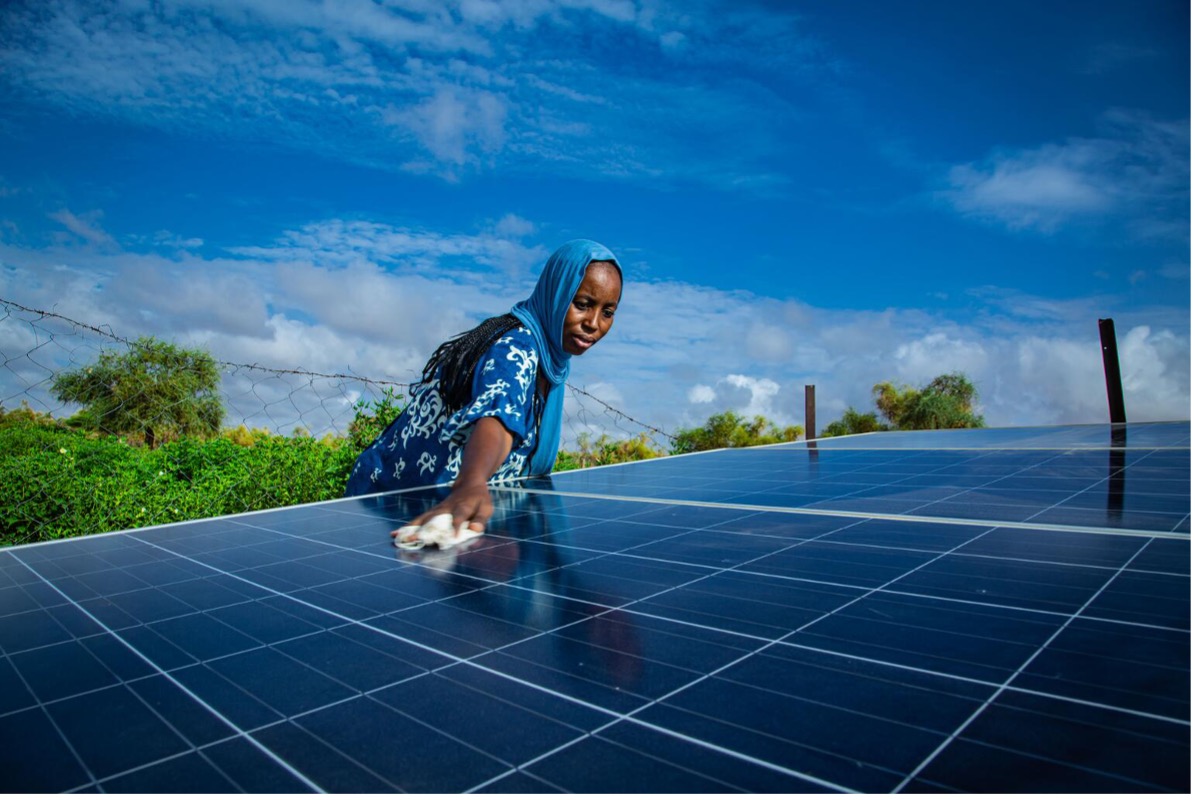
© UNICEF/UNI432289/Pouget
SBC approaches play a pivotal role in driving these shifts. By fostering public awareness, engagement, and acceptance of renewable energy technologies, SBC strategies promote responsible energy use and ensure equitable energy access, particularly for underserved populations. Integrating these approaches with robust policy frameworks accelerates the energy sector's transition toward sustainability while empowering communities to take an active role in the shift.
Beyond individual actions, systemic changes are crucial. SBC strategies must advocate for policy incentives for renewable energy investments, integration of energy efficiency into urban planning, and partnerships among governments, private entities, and civil society organizations. Mobilizing communities to embrace responsible energy consumption and fostering a culture of efficiency are foundational to achieving long-term sustainability goals, while ensuring that voices of marginalized communities are heard, and accountability mechanisms are in place.
Ultimately, SBC approaches inspire individuals to adopt sustainable habits while driving collective action at all levels. These efforts pave the way for widespread adoption of renewable energy and efficient practices, contributing to a more resilient, inclusive, and sustainable energy system (IEA, 2023).
Examples of Proposed Measures in the Energy Sector with an SBC Approach:- Driving the Adoption of Renewable Energy: Implement tailored awareness campaigns that emphasize the economic and environmental benefits of renewable energy sources, such as solar and wind power. Highlight success stories of small-scale systems in rural and underserved areas to build trust and inspire action. Facilitate hands-on demonstrations, offering technical support and financial guidance to empower communities to invest in and maintain these systems.
- Promoting Energy-Efficient Habits: Develop interactive and culturally relevant educational programs that motivate individuals to adopt energy-saving practices. Encourage behaviors such as turning off unused devices, using energy-efficient appliances, optimizing heating and cooling systems, and improving home insulation. Such programs can also highlight practical solutions, like energy-efficient technologies, which reduce carbon emissions, save time, and support healthier living practices.
- Enhancing Energy Resilience in Vulnerable Communities: Co-create accessible energy solutions, such as biogas systems from organic waste or community solar projects, tailored to local needs and resources. Provide comprehensive training to ensure proper use and maintenance and integrate traditional knowledge to enhance acceptance. Actively engage youth to foster innovation, skill-building, and a sense of ownership, ensuring long-term sustainability and resilience while addressing community energy challenges through locally driven, innovative solutions.
- Environment
Restoring and strengthening ecosystems' adaptive capacity is crucial for mitigating climate change's impacts on vulnerable communities. Efforts in this sector address environmental degradation while also enhancing resilience and promoting sustainable development. SBC strategies into these initiatives can catalyze transformative shifts in attitudes and behaviors, fostering community action and a shared responsibility for ecosystem health.
Global biodiversity loss, as emphasized by the Intergovernmental Science-Policy Platform on Biodiversity and Ecosystem Services (IPBES), exacerbates climate vulnerabilities, threatening food security, water access, and public health. Ecosystem degradation also significantly contributes to greenhouse gas emissions, making restoration and sustainable management urgent (IPBES, 2019).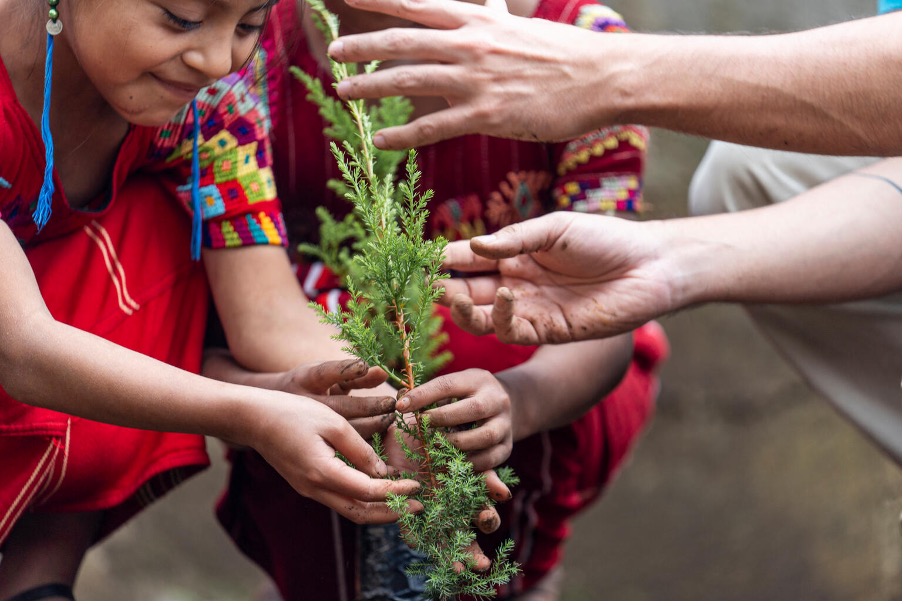
Nature-based solutions, such as afforestation, wetland restoration, and sustainable land management, are key tools identified by the United Nations Environment Programme (UNEP, 2021) for achieving carbon neutrality and enhancing biodiversity. When paired with SBC measures like community-led reforestation campaigns, sustainable agriculture training, and participatory workshops to enhance local environmental management, these solutions become even more effective.
A participatory approach is essential for the success of these interventions. Co-designing initiatives with communities strengthens ownership, aligns actions with local values and economic needs, and ensures practical solutions, thus enhancing both resilience and impact.
Similarly, addressing air pollution - a major health threat, particularly for children -requires integrating SBC strategies into policies targeting its primary sources: waste, industry, wildfires, sand and dust storms, and secondhand smoke. SBC interventions can drive both individual and collective behavior changes, enabling communities to adopt sustainable practices that reduce emissions and mitigate health risks (WHO, 2018).
Integrating SBC strategies into environmental policies empowers communities, fosters sustainable behaviors, and boosts resilience. These approaches not only tackle immediate climate challenges but also establish a foundation for long-term environmental stewardship and sustainable development.
Examples of Proposed Measures in the Environment Sector with an SBC Approach:- Empower Community-Led Conservation Initiatives: Launch and scale up participatory conservation efforts such as community-led reforestation, wetland restoration, and habitat preservation. Encourage local communities to take the lead by co-designing projects, ensuring cultural values, indigenous knowledge, and practical and economic needs are integrated, while strengthening a collective sense of ownership and responsibility.
- Address Deforestation and Land Degradation through Sustainable Practices: Promote sustainable land management by supporting community-driven initiatives that offer alternative livelihoods, reducing the pressures on forests and land resources. Provide education and tools for communities to adopt regenerative agriculture and sustainable forestry practices, while emphasizing the long-term benefits of land restoration for both the environment and livelihoods.
- Tackle Air Pollution through Collaborative Solutions: Implement public awareness campaigns that inform civil society about the state and impacts of air pollution, advocate for cleaner cooking technologies and reduced industrial emissions, while promoting the adoption of low-emission vehicles where relevant. Engage communities in the creation of local solutions that reduce air pollution, leveraging collective action to maximize the impact of cleaner technologies and sustainable transportation options.
- Strengthen Ecosystem-Based Disaster Risk Reduction through Collective Action: Embed nature-based solutions such as mangrove restoration, wetland protection, and forest rehabilitation into local disaster risk reduction plans. Mobilize and train communities to take an active role in ecosystem restoration, ensuring they understand how restoring ecosystems can safeguard their homes and improve long-term resilience to climate-related risks.
- Support Sustainable Fisheries Management through Local Participation: Encourage sustainable fishing practices by involving local fishers in the creation of marine protected areas and co-management plans. Use participatory workshops and knowledge-sharing platforms to build local capacity, promoting the integration of sustainable practices into everyday activities while fostering a sense of stewardship over marine resources
- Value-based Deliberations: Support introspective processes and civil society dialogues for a renewed relationship with and respect for nature - including leveraging local and national worldviews, indigenous values, and knowledge.
- Financing
Climate change exacerbates vulnerabilities for children, women, and marginalized populations, often trapping families in cycles of poverty and disrupting essential services such as healthcare, nutrition, and education. Evidence highlights that women and children are disproportionately affected by climate shocks, with women and girls representing the majority of those displaced by climate impacts (UN Women, 2022). Accessible financial tools, such as climate-responsive insurance, credit systems, and social protection programmes, are crucial safety nets for mitigating these adverse effects and ensuring rapid recovery (IGC, 2023).
To maximize the effectiveness of these interventions, embedding SBC strategies is essential. By promoting financial literacy, fostering inclusive financial behavior, and raising awareness about the benefits of climate-resilient financing tools, communities can better prepare for and respond to climate-induced crises. Linking these measures to early warning systems further ensures timely and equitable access to financial support, enhancing resilience and safeguarding children’s well-being (UNEP, n.d.).
Examples of Proposed Measures in the Financing Sector with an SBC Approach:- Targeting of Financial and Social Protection Initiatives: Work with communities to ensure the most underserved and marginalized groups are properly identified and engaged by duty-bearers, are offered opportunities and involved in feedback and accountability mechanisms.
- Financial Literacy Empowerment for Vulnerable Communities: Implement training programs tailored to women, youth, and marginalized groups on managing climate-responsive financial tools, such as insurance and microcredits.
- Encouragement of Climate-Responsive Insurance Uptake: Advocate for the use and scale-up of climate and disaster risk financing instruments, like insurance to strengthen the safety nets of vulnerable communities and provide more timely financing and assistance.
- Accessibility of Social Protection Mechanisms: Use mobile platforms to disseminate information about available benefits, such as unemployment benefits, disability pensions, or emergency cash transfers.
- Integration of Financial Tools with Emergency Preparedness: Link financial education with early warning systems to encourage timely action, such as withdrawing savings or applying for loans before disasters hit.
- Promotion of Inclusive Financial Behavior: Organize community dialogues to address cultural or social barriers to women’s participation in financial systems.
- Strengthening of Social Protection Systems for Climate Resilience: Link financial mechanisms to early warning systems, ensuring families receive timely support during climate-related emergencies. Advocate for government and private sector collaboration to expand funding for integrated social protection programmes that address climate impacts on vulnerable groups.
- Health
Climate change poses a growing threat to health and nutrition, disproportionately affecting vulnerable groups such as women, children, ethnic minorities, impoverished communities, migrants or displaced persons, older populations, and individuals with preexisting malnutrition and health conditions. Extreme weather events, including heatwaves, floods, and droughts, exacerbate health risks such as respiratory diseases, malnutrition, and vector-borne illnesses (WHO, 2023)
According to the World Health Organization, climate change is projected to cause an additional 250,000 deaths annually between 2030 and 2050 due to malnutrition, malaria, diarrhea, and heat stress (WHO, 2023).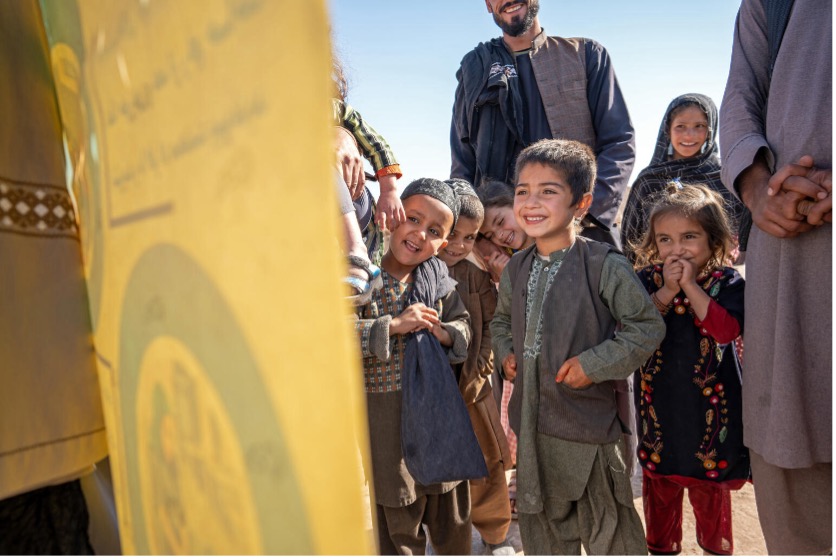
© UNICEF/UNI702 582/Naftalin To address these challenges effectively, health systems must integrate climate-resilient infrastructure with efforts to promote protective behaviors among both the general population and health professionals. While resilient infrastructure ensures that essential health services remain operational during emergencies, it is not sufficient on its own. Encouraging preventive practices, fostering emergency preparedness, and promoting daily habits that mitigate health and nutrition risks are equally critical in reducing the adverse effects of climate change on public health and nutrition (WHO, 2023).
Social and Behavior Change (SBC) strategies play a pivotal role in strengthening health sector responses to climate change. By prioritizing behavior change through awareness campaigns, targeted training programs, and community engagement, SBC approaches can enhance public health, nutrition, build community resilience, and ensure preparedness for climate-related emergencies (USAID, 2020).Examples of Proposed Measures in the Health Sector with an SBC Approach:
- Risk awareness and adaptation of practices: Support the development of contextualized, culturally sensitive and efficient programmes to engage with communities around environmental hazards impacting children and their families (lead exposure, air pollution, waste, etc.). These programs should provide realistic and actionable behavioral guidance for caregivers and community members, empowering them with practical steps to protect themselves and reduce exposure to environmental risks.
- Protection against Extreme Weather Events: Launch awareness campaigns to inform communities on how to protect themselves from the health and nutrition impacts of extreme weather events, such as heatwaves and storms. These campaigns should utilize local media, community networks, and trusted community leaders to ensure the information is accessible and culturally relevant.
- Climate-Adapted Hygiene Practices: Promote climate-sensitive hygiene practices in communities impacted by water scarcity or contamination. SBC strategies can emphasize frequent handwashing, use of water purification methods like filters or chlorine tablets, and proper sanitation practices to reduce the risk of waterborne diseases. Tailor these interventions to local contexts, ensuring they are feasible and culturally accepted by the community.
- Training Health Workers: Provide training to health professionals and community health and nutrition workers to enhance their ability to respond to climate-related health and nutrition risks and engage with affected communities and families. Equip them with knowledge on how to adapt their own practices, improve early detection, and provide appropriate care during climate-related health and nutrition emergencies (including through active listening and efficient interpersonal communication), ensuring that communities receive timely and effective support.
- Community Participation in Health and Nutrition Emergencies: Strengthen social resilience by promoting community-led disaster preparedness and response efforts. This can be done by organizing community health and nutrition drills, establishing local health committees, and engaging community members in emergency planning. Such participation ensures that communities are better prepared to face climate-induced health and nutrition crises and reinforces collective action.
- Climate-Resilient Nutrition practices: Promote positive practices, behaviors and social norms that improve children’s nutrition and reduce vulnerability to the impacts of climate change, such as promoting the consumption of climate-resilient, nutritious foods; and reduce demand for high-carbon foods, including ultra-processed foods, appropriate to context.
- Integration of Climate Resilience into Maternal and Child Health and Nutrition Programs: Incorporate climate resilience into maternal and child health services by training healthcare workers to recognize and address climate-sensitive health issues, particularly those affecting pregnant women and young children. These interventions should focus on preventing heat stress, waterborne diseases, and malnutrition, and promoting adaptive health practices that protect the most vulnerable populations. Social and Behavior Change can enhance the quality of this training by not only equipping healthcare workers with knowledge but also fostering behavior change.
- Industry
The industrial sector is a significant contributor to global greenhouse gas emissions, accounting for nearly 25% of global CO₂ emissions (IEA, 2021). Decarbonizing industrial processes requires not only technological innovation but also national and sub-national policy changes, and substantial behavioral shifts at multiple levels, including corporate leadership, employees, and supply chain actors. These shifts must be strategically guided by SBC approaches to ensure the adoption and sustainability of climate-resilient practices.
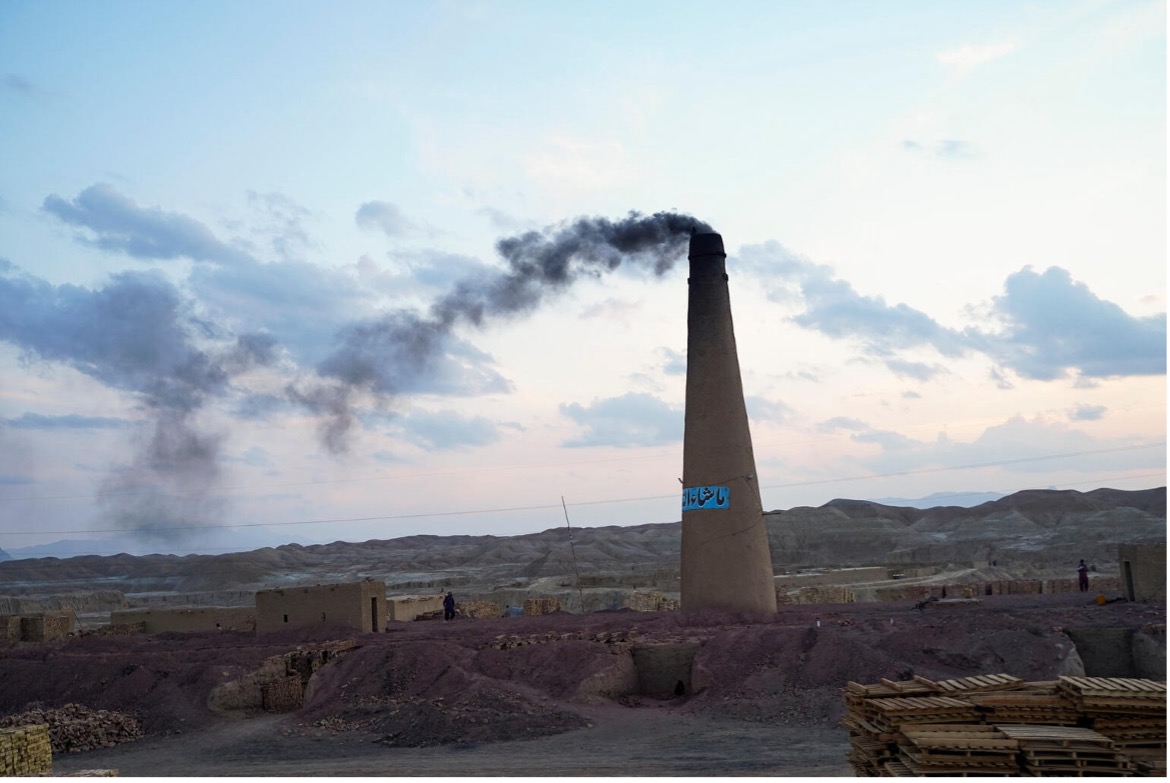
© UNICEF/UNI520728/Ahmed Industrial activities not only accelerate climate change but also pose significant health risks to vulnerable populations, particularly children. Fossil fuel-based processes are major contributors to air pollution, exacerbating respiratory diseases such as pneumonia and long-term conditions like childhood cancer and leukemia. Poorly regulated industries operating near residential areas expose children to unsafe pollutant levels, creating an urgent need for strengthened enforcement of emission standards and child-centered industrial planning (WHO, 2021). These strategies must be complemented by SBC measures that promote awareness of industrial risks, advocate for behavior changes at the community and organizational levels and create the mechanisms for community advocacy, participation, and accountability mechanisms.
Additionally, the transition to cleaner energy sources can significantly reduce industrial emissions, improving air quality and safeguarding children’s health. SBC strategies can facilitate this transition by engaging industries, governments, and communities in co-designing solutions aligned with national climate goals.
Examples of Proposed Measures in the Industry Sector with an SBC Approach:- Promote Energy-Efficient Practices: Develop awareness campaigns on the financial and environmental benefits of energy efficiency in industrial operations. Highlight the positive impact on children's health by reducing air pollution and improving air quality.
- Waste Reduction and Circular Economy Practices: Introduce community-based incentive programs designed to reduce production waste and promote circular economy principles. Reward industrial teams that meet zero-waste goals and involve local communities in celebrating these successes. These initiatives can be co-designed with community members to ensure they are locally relevant, building strong connections between industry, the environment, and children's well-being.
- Adopt Cleaner Technologies: Organize participatory forums and workshops that bring together industrial leaders, local communities, and stakeholders to co-design and implement cleaner production technologies. These forums should focus on sharing knowledge about low-emission, energy-efficient technologies, while fostering trust and building the capacity of local industries to adopt these solutions. Ensure the inclusion of community voices in the decision-making process, particularly in areas where children are most impacted by industrial practices. Create accountability mechanisms for industry actors to report on meeting the agreements.
- Foster a Culture of Sustainability: Develop and share compelling stories that showcase how sustainable industrial practices positively impact communities and the environment. Use real-life success stories to demonstrate the long-term benefits of energy efficiency, waste reduction, and cleaner technologies. Highlight the stories of businesses that have achieved significant environmental improvements, showing how these practices help protect children's health and promote sustainable development.
- Promote Awareness of Industrial Impacts on Child Health: Launch targeted communication campaigns that address the health risks posed by industrial pollution, particularly to children. Raise awareness about how pollutants from industrial activities contribute to respiratory diseases, developmental issues, and long-term health risks in children. Collaborate with schools and local organizations to advocate for stronger enforcement of environmental regulations, ensuring that industries take proactive steps to safeguard children's health.
- Strengthen Stakeholder Collaboration: Build strong, multi-sector partnerships between local communities, industrial stakeholders, and NGOs to co-create sustainable resource management strategies. These partnerships should focus on protecting children's health while advancing the goals of sustainable industrial practices. Work together to develop and implement initiatives that address both environmental sustainability and social equity, ensuring that future generations grow up in a healthier, more sustainable world.
- Support the Development of SBC-Informed Policies and Strategies: Utilize SBC approaches to influence industrial policies, environmental regulations, and corporate sustainability strategies that prioritize sustainable resource management and pollution reduction.
- Transport
The transportation sector is a significant contributor to global greenhouse gas emissions, accounting for approximately 23% of CO₂ emissions from fuel combustion (IPCC, 2022). The sector’s reliance on fossil fuels, urban sprawl, and inefficient transport systems exacerbates air pollution and accelerates climate change. Addressing these emissions is critical for achieving global climate goals, improving public health, and protecting vulnerable populations, particularly children.
SBC strategies are essential in transforming the transportation sector. Evidence suggests that demand-side interventions, which focus on shifting lifestyles and social norms, could reduce global emissions by 40–70% by 2050 (IPCC, 2022). These strategies involve promoting sustainable mobility practices such as increased use of public transport, cycling, and walking, while reducing reliance on private vehicles – in context where such changes are possible and relevant, primarily urban and rich populations.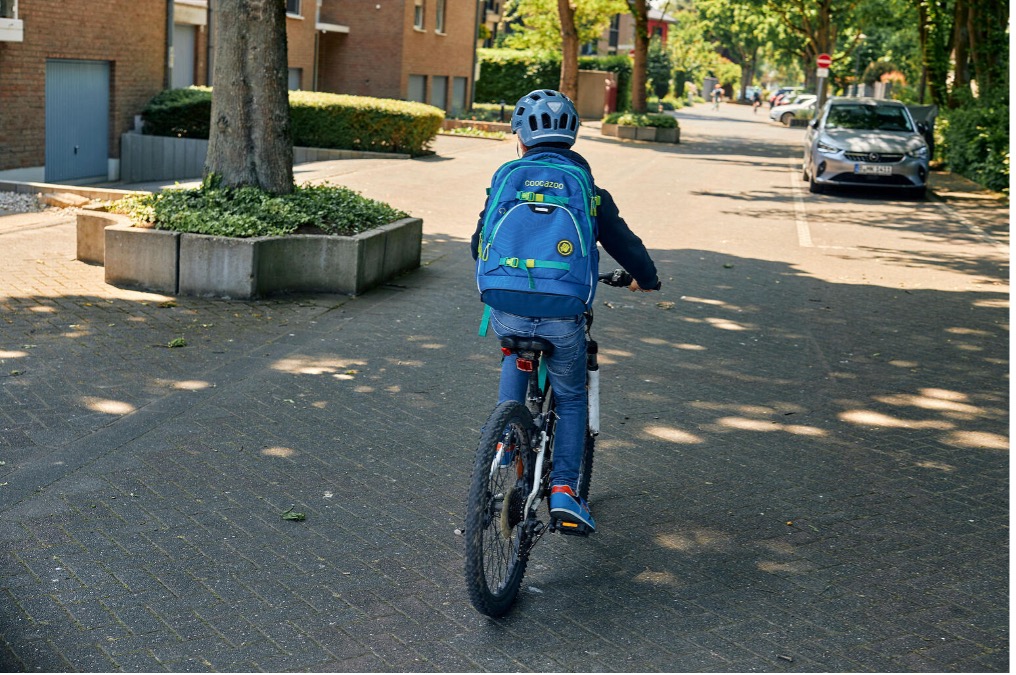
© UNICEF/UNI401348/Bänsch SBC interventions complement technological advancements by tackling barriers to adopting low-carbon mobility solutions. For example, SBC efforts can facilitate the uptake of electric vehicles (EVs) by raising awareness of their environmental and economic advantages, educating communities on the availability of charging infrastructure, and fostering trust in these innovative modes of transport.
Furthermore, reducing emissions from transport systems is integral to protecting vulnerable populations, especially children, who are disproportionately impacted by air pollution. Prolonged exposure to pollutants from transportation increases the risk of respiratory diseases, developmental delays, and long-term health issues (WHO, 2021). SBC strategies can help ensure that all communities have equitable access to cleaner, safer, and more efficient transportation systems, while cultivating a culture of environmental responsibility that supports sustainable, low-emission transport choices.Examples of Proposed Measures in the Transport Sector with an SBC Approach:
- Promote Sustainable Public Transportation Practices: Launch community-driven campaigns to raise awareness about the economic, environmental, and health benefits of public transport. Engage local stakeholders to co-design transportation solutions that are culturally relevant and effectively meet the community's needs.
- Encourage Active Mobility through Community Engagement: Implement community-based initiatives to promote walking and cycling as eco-friendly, health-promoting transportation options in cities. Create mechanisms for citizens to help collaboratively design infrastructure such as bike lanes and pedestrian pathways.
- Support the Adoption of Electric Vehicles (EVs): Run campaigns that address misconceptions about the costs and benefits of EVs. Work with local governments and private companies to expand the charging infrastructure and offer incentives to boost EV adoption.
- Integrate Sustainable Mobility in Schools and Workplaces: Establish programs in schools to educate students on the environmental and health benefits of sustainable transportation. Partner with employers to create "green commute" policies that encourage employees to adopt environmentally friendly commuting practices.
- Raise Awareness of Transport’s Impact on Child Health: Run campaigns that highlight the negative health effects of transport-related pollution on children. Collaborate with schools and community organizations to promote safer, cleaner transportation options and involve local communities in monitoring and reducing local air pollution. SBC strategies can also support policy advocacy for cleaner transportation policies that protect child health.
- Water Resources and Sanitation
Water resources and sanitation are critical sectors significantly impacted by climate change. Rising global temperatures and shifting precipitation patterns lead to water scarcity, flooding, and compromised water quality. The Intergovernmental Panel on Climate Change (IPCC) projects that climate variability will intensify water stress in many regions, disproportionately affecting vulnerable populations, particularly children (IPCC, 2022).
Social and Behavior Change approaches are essential in addressing the human factors driving water and sanitation challenges. Behavior-centered interventions can play a crucial role in promoting water conservation, encouraging sustainable sanitation practices, and fostering climate-resilient hygiene behaviors. For instance, community-driven water conservation initiatives, supported by participatory education campaigns, can raise awareness of the need to protect water resources and ownership of the related solutions. Similarly, SBC strategies can promote the adoption of eco-friendly sanitation systems and sustainable hygiene practices, particularly in regions vulnerable to climate-induced water challenges (USAID, 2022).
© UNICEF/ECU/2024/Terán
The IPCC underscores that behavioral changes at both the household and community levels - such as improved hygiene practices, reduced water wastage, and sustainable sanitation behaviors - are vital for adapting to the impacts of climate change on water resources (IPCC, 2022). Furthermore, SBC strategies can help overcome barriers to the adoption of water-saving technologies and sustainable sanitation infrastructure by engaging communities in culturally sensitive and locally driven solutions.
UNICEF highlights the importance of integrating SBC strategies into water and sanitation programs to protect children from the harmful effects of climate change. By promoting sustainable water management practices and improving sanitation behaviors, SBC interventions can help reduce the spread of waterborne diseases and improve health outcomes for vulnerable populations, particularly children (UNICEF, 2024).Examples of Proposed Measures in the Water Resources and Sanitation Sector with an SBC Approach:
- Promote Government Action and Responsibility: create feedback and social accountability mechanisms focusing on ensuring government’s duties are fulfilled, especially towards underserved populations like urban poor, rural communities, women and children.
- Community Engagement for Water Conservation: Facilitate active, participatory community engagement through workshops and dialogues to co-design tailored, affordable water conservation and sanitation practices. This approach ensures the solutions are culturally relevant, context-specific, and sustainable, empowering communities to take ownership of their water resources and sanitation practices for long-term impact. Additionally, incorporating catchment management approaches can help safeguard water resource availability and promote ecosystem-based solutions to water conservation.
- Promoting Water-Saving Technologies and Sustainable Infrastructure: Facilitate the adoption of climate-resilient, water-efficient technologies and eco-friendly sanitation systems through participatory design, targeted communication and capacity-building initiatives. These efforts aim to enhance local knowledge, build technical capacity, and support the widespread implementation of sustainable technologies that align with the community’s needs and environmental challenges. Additionally, efforts should focus on strengthening local supply chains and service provision systems to ensure long-term sustainability and accessibility of these technologies.
- Implementing Community-Led Total Sanitation (CLTS): Launch CLTS programs to eliminate open defecation and achieve safely managed, climate resilient sanitation. By engaging all members in the process, these programs instill a sense of collective responsibility and ownership, increasing the likelihood of sustained improvements in hygiene and sanitation infrastructure. Utilization of climate-risk assessments will help guide the specific intervention. CLTS can be an effective intervention but requires strong government systems to work.
- Promoting Hygiene: Design and implement community-driven campaigns focused on promoting key hygiene behaviors, such as handwashing with soap, water conservation, and sustainable sanitation practices. These campaigns should be carefully crafted to shift attitudes and behaviors, leading to lasting improvements in hygiene and sanitation at the community level and within institutions such as schools and healthcare facilities. Work with communities on identifying the barriers to adoption of these behaviors, and work with development partners on creating the conditions to lift these barriers.
- Building a Culture of Sustainability through WASH Education: Introduce water conservation, hygiene, and sustainable resource management into school curricula to instill values of sustainability from an early age. By empowering children with knowledge and advocacy skills, this approach nurtures a generation of leaders who will influence their families, communities, and future generations toward more sustainable water and sanitation behaviors.
- Urban Planning and Cities
Urban areas are increasingly central to addressing climate change and fostering sustainable development. As cities expand, they face numerous challenges, including elevated greenhouse gas emissions, air pollution, and heightened vulnerability to climate-related disasters such as floods, heatwaves, and storms. According to the Intergovernmental Panel on Climate Change (IPCC, 2022), urban areas are primarily impacted by transportation, industrial activities, and inefficient building infrastructure. Additionally, the rapid growth of cities places immense pressure on essential services like water, sanitation, and hygiene (WASH), making strategic urban planning and participatory approaches indispensable for mitigating these risks.
SBC strategies, which focus on partnering with city residents and influencing individual and community behavior, are key tools for creating resilient, sustainable, and equitable urban environments. For example, these strategies can encourage reducing car dependency by promoting walking, cycling, or using public transportation. Such behaviors not only decrease greenhouse gas emissions and air pollution but also support physical health and well-being (C40 Cities, 2022).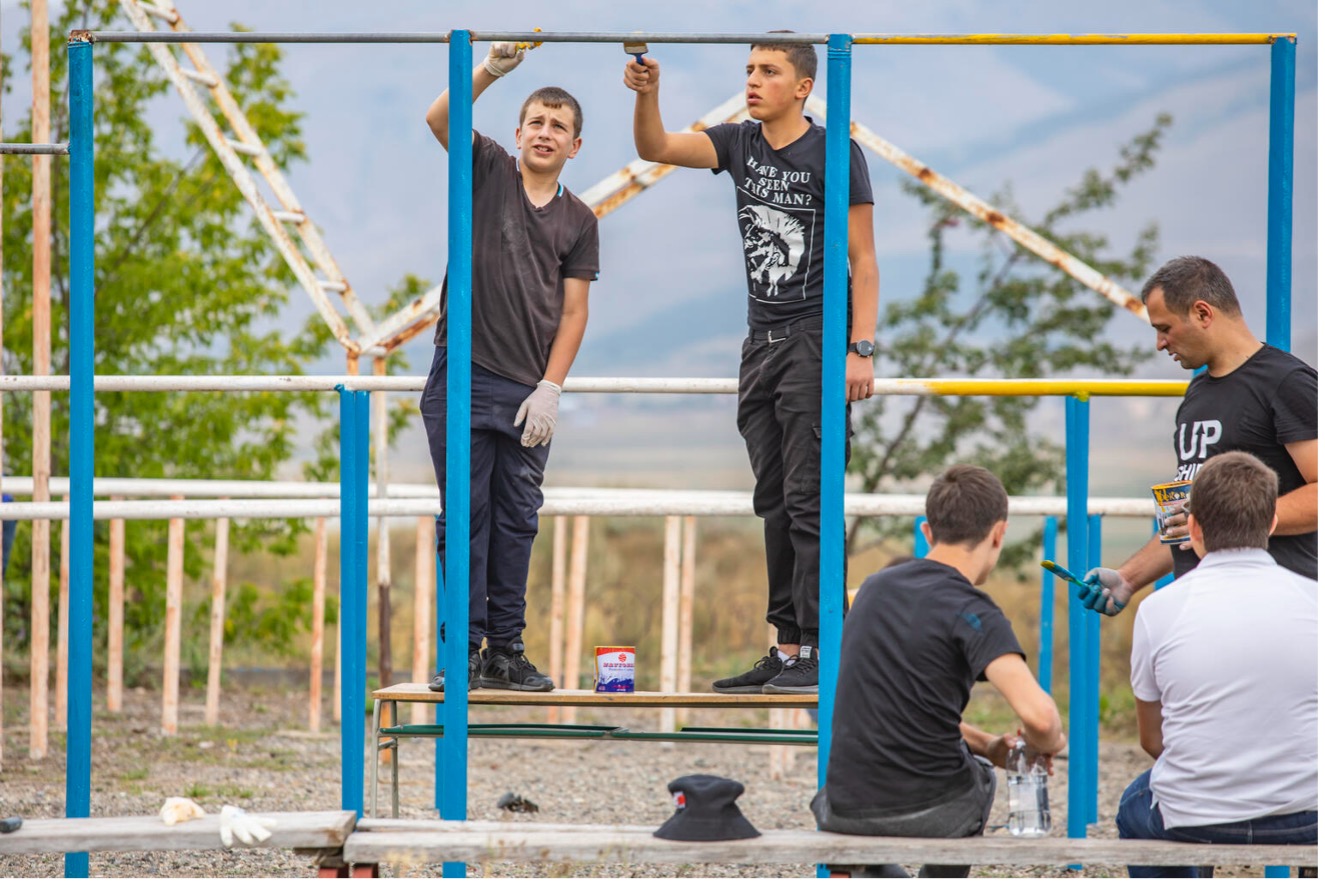
© UNICEF/UN0572569/Hieroglyph
Moreover, promoting the creation and maintenance of urban green spaces can address multiple challenges simultaneously. Green spaces help mitigate urban heat islands, enhance biodiversity, and improve mental and physical health. A study by the National Institutes of Health (NIH, 2024) found that children living in areas with abundant green spaces exhibited lower levels of anxiety and depression, emphasizing the role of nature-based solutions in fostering healthier urban communities. Initiatives like planting shade trees, constructing green roofs, and developing shaded public spaces can mitigate the effects of rising temperatures and be used as opportunities to foster community participation and long-term behavioral change.
Similarly, SBC strategies can support sustainable flood management practices, such as rainwater harvesting, installing permeable pavements, and developing resilient infrastructure. These measures not only help cities adapt to extreme weather events but also ensure safer and more equitable urban spaces (IPCC, 2022).Examples of Proposed Measures in the Urban Planning and Cities Sector with an SBC Approach:
- Community-Led Green Space Development and Maintenance: Actively engage local communities in the creation, design, and ongoing maintenance of green spaces like parks, urban gardens, and green roofs. This approach promotes a sense of ownership, ensures sustained involvement, and guarantees the long-term viability of these spaces, enhancing the overall urban ecosystem. This should be focusing on urban poor locations.
- Encouraging Sustainable Mobility: Promote walking, cycling, and the use of public transportation where possible through behavior-centered interventions that emphasize environmental, economic, and health benefits. This can reduce reliance on private vehicles, alleviate traffic congestion, and promote healthier lifestyles, contributing to lower greenhouse gas emissions and a more sustainable urban transport system.
- Urban Cooling through Green Infrastructure: Raise awareness and encourage the implementation of green infrastructure solutions - such as tree planting, green roofs, and shaded areas - that help reduce the urban heat island effect. This can be supported in the context of community-led projects, e.g. working with young people from poor neighborhoods. These actions cool urban areas, enhance air quality, lower energy consumption, and improve public health, especially for vulnerable populations.
- Water Management and Flood Resilience: Promote sustainable water management practices like rainwater harvesting, permeable pavements, and wetland restoration. By utilizing SBC strategies to foster positive behaviors, these practices can enhance water conservation, reduce flood risks, and contribute to long-term urban resilience in the face of climate-related extreme weather events.
- Inclusive and Climate-Resilient Urban Infrastructure: Engage diverse community groups, particularly marginalized populations, in the co-design and implementation of climate-resilient infrastructure. This approach ensures that infrastructure is adaptable, equitable, and meets the needs of all urban residents, leading to better overall urban resilience.
- Circular Waste Management and Recycling Systems: Strengthen community-driven recycling initiatives that support a circular economy. Focus on reducing waste, reusing materials, and promoting responsible consumption practices. SBC strategies can drive widespread adoption of waste sorting and recycling behaviors, shifting attitudes toward more sustainable waste management, and reducing environmental harm.
- Supporting Duty Bearers’ Action: create social accountability mechanisms involving citizens, especially from slums, to push for city governments actions.
- Waste management
Improper solid waste management significantly contributes to greenhouse gas emissions, particularly methane from the decomposition of organic waste in landfills. Additionally, open burning and uncontrolled disposal contaminate air, soil, and water, with disproportionate health impacts on children and vulnerable communities (UNEP, 2021; EPA, 2021). These practices not only exacerbate environmental degradation but also pose significant public health risks, underscoring the urgent need for sustainable waste management solutions.
SBC strategies are essential for addressing these challenges, as they promote sustainable waste management practices, including waste reduction, reuse, and recycling. By fostering individual and collective behavior change, SBC approaches reduce waste generation and encourage resource recovery, creating more sustainable systems and minimizing environmental impacts (GPSC, 2023).
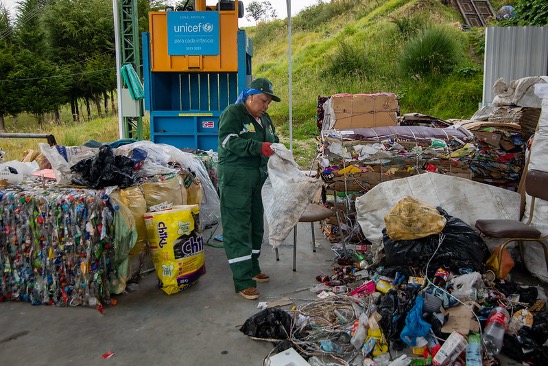
© UNICEF/ECU/2022/Nega Moreover, engaging local communities ensures that solutions are both sustainable and culturally appropriate, enhancing their long-term adoption and effectiveness. Co-designing initiatives with these communities allows for the integration of local knowledge and practices, fostering a sense of ownership and commitment to sustainable waste management.
SBC approaches are particularly critical in informal settlements and low-income urban areas, where inadequate waste management services exacerbate environmental and health risks. In these contexts, targeted interventions - such as community education, financial incentives, and participatory local action plans - can promote proper waste sorting, composting, and recycling. These efforts reduce environmental health hazards while fostering cleaner, healthier living conditions (Allied Waste Solutions, 2024).Examples of Proposed Measures in the Waste Management Sector with an SBC Approach:
- Promote Government Action and Responsibility: create feedback and social accountability mechanisms focusing on ensuring government’s duties are fulfilled, especially towards underserved populations like urban poor.
- Foster Community Participation in Waste Separation: Launch engaging campaigns and educational initiatives to teach households, schools, and businesses how to separate waste into organic, recyclable, and non-recyclable categories. Incorporate hands-on workshops, community monitoring tools, and feedback mechanisms to ensure consistent adoption. Consider whether the recycling systems once waste leave the communities is effective.
- Empower Communities Through Home and Neighborhood Composting: Introduce tailored training programs and participatory demonstrations to teach effective composting methods. Complement these efforts with community-based incentive systems, such as recognition programs or small grants for sustainable practices.
- Integrate Informal Recyclers into Inclusive Recycling Systems: Develop programs that formalize the roles of informal recyclers, offering training, protective equipment, and financial tools to support small-scale enterprises. Use community dialogues and campaigns to increase social acceptance and appreciation of their work.
- Collective Action to Reduce Single-Use Plastics: Advocate for policies and design public campaigns promoting alternatives to disposable plastics, like reusable bags or biodegradable packaging. Incorporate community challenges and public pledges to foster governments’ investments, collective action and track progress toward reducing plastic waste.
- Blend Local Knowledge into Circular Economy Solutions: Collaborate with local communities to co-create initiatives that incorporate traditional practices for repurposing materials. Organize community fairs and knowledge-sharing platforms to merge waste management approaches.
- Promote Responsible Consumption and Resource Efficiency: Conduct interactive workshops and awareness campaigns focused on sustainable consumption habits. Highlight success stories and engage community leaders to inspire widespread adoption.
- Engage Children in Schools as Change Agents: Implement waste management education in schools to teach children about recycling, composting, and waste reduction, empowering them to influence their communities.
- Promote Adoption of Waste-to-Energy Technologies: Use participatory workshops, local success stories, and practical demonstrations to introduce technologies like biodigesters. Highlight the tangible benefits of reduced waste, biogas production, and organic fertilizers to build community buy-in and support.
- References
AGRICULTURE
- FAO. (2021). The state of food security and nutrition in the world 2021: Transforming food systems for food security, improved nutrition and affordable healthy diets for all. Food and Agriculture Organization of the United Nations. https://doi.org/10.4060/cb4474en
- The Compass for SBC. (2022.). The role of social and behavior change in climate change adaptation and mitigation. Retrieved January, 2025, from https://thecompassforsbc.org/trending-topics/the-role-of-social-and-behavior-change-in-climate-change-adaptation-and-mitigation
- UNEP (2020). Agroecology: A contribution to food security. Retrieved January, 2025, from https://www.unep.org/news-and-stories/story/agroecology-contribution-food-security
EDUCATION
- World Bank. (2024). The Impact of Climate Change on Education and What to Do About It. Retrieved from https://documents.worldbank.org/en/publication/documents-reports/documentdetail/099043024150036726/P180005171cc7c0c91a8b011d03080e9086
- UNESCO. (2023). Only half of national curricula in the world have a reference to climate change, UNESCO warns. Retrieved from https://www.unesco.org/en/articles/only-half-national-curricula-world-have-reference-climate-change-unesco-warns
- UNICEF. (2023). The climate-changed child: A children's climate risk index supplement. UNICEF, New York, November 2023. Retrieved from https://www.unicef.org/reports/climate-changed-child
ENERGY
- Intergovernmental Panel on Climate Change (IPCC). (2022). Climate change 2022: Mitigation of climate change. Contribution of Working Group III to the Sixth Assessment Report of the Intergovernmental Panel on Climate Change [P.R. Shukla, J. Skea, R. Slade, A. Al Khourdajie, R. van Diemen, D. McCollum, M. Pathak, S. Some, P. Vyas, R. Fradera, M. Belkacemi, A. Hasija, G. Lisboa, S. Luz, J. Malley (Eds.)]. Cambridge University Press. Retrieved from https://www.ipcc.ch/report/ar6/wg3/
- International Energy Agency (IEA). (2023). Behavioural changes. Recuperado de https://www.iea.org/energy-system/energy-efficiency-and-demand/behavioural-changes
ENVIRONMENT
- Intergovernmental Science-Policy Platform on Biodiversity and Ecosystem Services (IPBES). (2019). Summary for policymakers of the global assessment report on biodiversity and ecosystem services (S. Díaz, J. Settele, E. S. Brondízio, & H. T. Ngo, Eds.). IPBES Secretariat. Retrieved from https://www.ipbes.net/global-assessment
- United Nations Environment Programme (UNEP). (2021). Nature-based solutions for climate change mitigation. UNEP. Retrieved from https://www.unep.org/resources/report/nature-based-solutions-climate-change-mitigation
- World Health Organization (WHO). (2018). Air pollution and child health: Prescribing clean air. World Health Organization. Retrieved from https://www.who.int/publications/i/item/air-pollution-and-child-health
FINANCING
- UN Women. (2022). Explainer: How gender inequality and climate change are interconnected. Retrieved from https://www.unwomen.org/en/news-stories/explainer/2022/02/explainer-how-gender-inequality-and-climate-change-are-interconnected
- International Growth Centre. (2021). Building climate-responsive social protection. Retrieved from https://www.theigc.org/blogs/climate-priorities-developing-countries/building-climate-responsive-social-protection
- UNEP. (n.d.). Climate Information and Early Warning Systems. Retrieved January, 2025, from https://www.unep.org/topics/climate-action/climate-transparency/climate-information-and-early-warning-systems
HEALTH
- World Health Organization (WHO). (2023). Climate change and health. Retrieved from https://www.who.int/news-room/fact-sheets/detail/climate-change-and-health
- USAID. (2020). Social and Behavior Change and Health Systems Strengthening. Retrieved from https://www.usaid.gov/global-health/health-systems-innovation/health-systems/resources/social-behavior-change
INDUSTRY
- International Energy Agency (IEA). (2021). Global CO₂ emissions from energy and industry. Retrieved from https://www.iea.org/reports/global-energy-review-co2-emissions-in-2021
- World Health Organization (WHO). (2021). Climate change and health. Retrieved from https://www.who.int/news-room/fact-sheets/detail/climate-change-and-health
- Stern, P. C., & Sovacool, B. K. (2020). Understanding the behavioral dimensions of energy consumption and climate change: A comprehensive review. Annual Review of Environment and Resources, 45(1), 307–343. https://doi.org/10.1146/annurev-environ-012320-083913
TRANSPORT
- Intergovernmental Panel on Climate Change (IPCC). (2022). Climate change 2022: Mitigation of climate change. Contribution of Working Group III to the Sixth Assessment Report of the Intergovernmental Panel on Climate Change [P.R. Shukla, J. Skea, R. Slade, A. Al Khourdajie, R. van Diemen, D. McCollum, M. Pathak, S. Some, P. Vyas, R. Fradera, M. Belkacemi, A. Hasija, G. Lisboa, S. Luz, J. Malley (Eds.)]. Cambridge University Press. Retrieved from https://www.ipcc.ch/report/ar6/wg3/
- World Health Organization (WHO). (2021). Air pollution and child health: Prescribing clean air. Retrieved from https://www.who.int/publications/i/item/air-pollution-and-child-health
WATER RESOURCES AND SANITATION
- Intergovernmental Panel on Climate Change (IPCC). (2022). Climate change 2022: Mitigation of climate change. Contribution of Working Group III to the Sixth Assessment Report of the Intergovernmental Panel on Climate Change [P.R. Shukla, J. Skea, R. Slade, A. Al Khourdajie, R. van Diemen, D. McCollum, M. Pathak, S. Some, P. Vyas, R. Fradera, M. Belkacemi, A. Hasija, G. Lisboa, S. Luz, J. Malley (Eds.)]. Cambridge University Press. Retrieved from https://www.ipcc.ch/report/ar6/wg3/
- USAID. (2022). Technical Brief on Social and Behavior Change for Water Security, Sanitation, and Hygiene. Global Handwashing Partnership. https://globalhandwashing.org/wp-content/uploads/2022/01/usaid_water_social_behavior_change_tb_10_508.pdf
- UNICEF. (2024). Goal Area 4 Compendium of SBC Best Practices. UNICEF. https://knowledge.unicef.org/social-and-behavior-change/resource/goal-area-4-compendium-sbc-best-practices
URBAN PLANNING AND CITIES
- C40 Cities. (2022). C40 Annual Report 2022. https://www.c40.org/wp-content/uploads/2023/03/C40-Cities-Annual-Report-2022_Published-Online-31-Mar-2023.pdf
- Intergovernmental Panel on Climate Change (IPCC). (2022). Climate change 2022: Mitigation of climate change. Contribution of Working Group III to the Sixth Assessment Report of the Intergovernmental Panel on Climate Change [P.R. Shukla, J. Skea, R. Slade, A. Al Khourdajie, R. van Diemen, D. McCollum, M. Pathak, S. Some, P. Vyas, R. Fradera, M. Belkacemi, A. Hasija, G. Lisboa, S. Luz, J. Malley (Eds.)]. Cambridge University Press. Retrieved from https://www.ipcc.ch/report/ar6/wg3/
- National Institutes of Health (NIH). (2024). Green space may improve young children's mental health. https://www.nih.gov/news-events/nih-research-matters/green-space-may-improve-young-children-s-mental-health
WASTE MANAGEMENT
- United Nations Environment Programme (UNEP). (2021). Global Methane Assessment: Benefits and Costs of Mitigating Methane Emissions. United Nations Environment Programme. Retrieved from https://www.unep.org/resources/report/global-methane-assessment-benefits-and-costs-mitigating-methane-emissions
- United States Environmental Protection Agency (EPA). (2021). Chapter Greenhouse Gas Emissions from Solid Waste Management. Retrieved from https://archive.epa.gov/epawaste/conserve/tools/warm/pdfs/chapter1.pdf
- Global Platform for Sustainable Cities (GPSC). (2023). Behavior Change for Solid Waste Management: A Compendium of Cases. Retrieved from https://www.thegpsc.org/knowledge-products/solid-waste-management/behavior-change-solid-waste-management-compendium-cases
- Allied Waste Solutions. (2024). Understanding the Importance of Proper Waste Management. Retrieved from https://alliedwastesolutions.com/understanding-the-importance-of-proper-waste-management/