No translation available
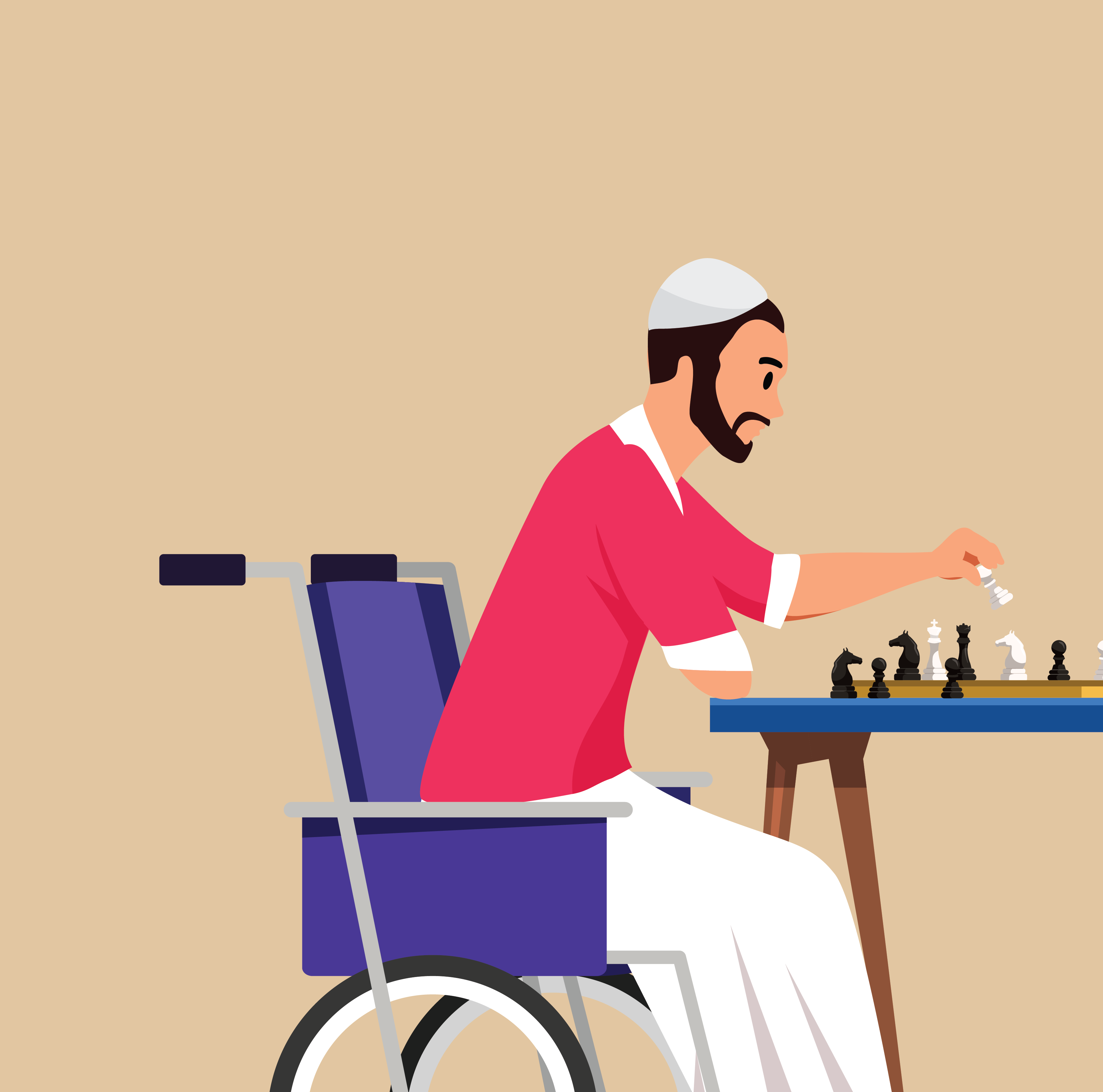
Mail playing chess in a wheelchair
Build capacity and supportive systems

SBC Disability Toolkit - Module 2: Empowering children and families

Addressing stigma and discrimination toward children and youth with disabilities through SBC

Introduction

Sarah’s story part 2: 

My father left us when my parents realized that I have disability. It was too much to handle, and he must’ve been afraid to be shamed by our community. My mom and grandma were wonderful, caring for three children. For a long time, they kept me home, worried about how neighbors would look at us. That was their way of protecting me. My siblings were my best friends, but once we got older, I noticed that they felt uncomfortable when their teenaged friends saw us together. 

One day, my mom met other parents who had children with disabilities. A new social worker was more attentive to us, and advised my mom to talk to a local organization of people with disabilities and to apply for some social benefits. At the end of that year, I started going to school, and my life changed. The van picked me up, and next thing I knew, I was in a classroom full of kids who were not like me at first glance – but so similar once we became friends. Even though it took time, and many sessions with my favorite teacher X, reading and writing opened a new world for me. I felt that I could do anything. I had a sense of belonging and friendship.   


Overview of Module 2: 

Real and sustained inclusion of marginalized children and their families requires their voices to be heard and taken into account in decision-making. The Convention on the Rights of the Child recognizes that all children, including children with disabilities, have a right to be actively involved in decisions that affect them, and that they are not merely passive recipients of care or protection.


After completing this module, you should be able to:

  1. Explain the relationship between engagement and empowerment, and how they reinforce each other; 
  2. Describe several methods for meaningful engagement with children with disabilities and their caregivers.
  3. Choose the most appropriate method for engaging children with disabilities and their parents/caregivers in SBC planning, design, and implementation.

This module focuses on a cornerstone of the person-first approach: meaningful and inclusive engagement with children and their families. 

 

vision

Do - SBC Disability Toolkit - Module 2: Empowering children and families

No translation available
vision

Do - SBC Disability Toolkit - Module 2: Empowering children and families

Download this article as a PDF

You can download the entire page as a PDF here

Filter

Please choose both tool and category to fetch the Corresponding articles under the preferred category of the tool.
  • Vision
  • Understand
  • Create
  • Do
  • Impact Evidence
  • The big picture
  • Advocacy | Fundraising
  • The fundamentals of SBC
  • SBC programmatic approaches
  • Overview of the process
  • Diagnose
  • Define success
  • Design
  • Implementing strategies
  • Partnerships
  • SBC in emergency settings
  • Build capacity and supportive systems
#Implementing strategies
Harmful practices thumbnail with data symbols

Do

Behavioral Surveys and Monitoring Tools for Child Protection and Harmful Practices

Cross-Regional Initiative on Behavioural Drivers of Violence against Girls, Boys and Women and Harmful Practices
Read more
#Build capacity and supportive systems
Skills mapping

Do

SBC Capacity Development Repository

Find resources to build and strengthen your SBC skills
Read more
#SBC programmatic approaches
ndc

Do

Integrating Social and Behavioral Change (SBC) into People-Centered Climate Policies

UNICEF Guidance for Integrating Social and Behavioral Change in Nationally Determined Contributions (NDCs)
Read more
#Build capacity and supportive systems
SBC contributions to Disaster Risk Reduction (DRR)

Do

SBC contributions to Disaster Risk Reduction (DRR)

The Role of Community Engagement and Behavioural Insights in Building Safer, More Resilient Communities Against Adverse Events
Read more
#Build capacity and supportive systems
SBC contributions to the Planetary Crisis

Do

SBC contributions to the Planetary Crisis

Using people-centred strategies and insights to protect the planet and build a better tomorrow
Read more
#Implementing strategies
Open hand holding a head with a heart in its head, where the brain is

Do

UNICEF SBC Toolkit for Mental Health and Psychosocial Support (MHPSS)

Empowering Change-Makers Globally: A Comprehensive Guide for Practitioners, Humanitarian Workers, and Policymakers
Read more